CORE · ASSAY · CONTINUITY
A drill hole is evidence—not certainty.
Core, assays, mineralogy and repeated drilling help test grade, geometry and continuity. Every interval can reduce uncertainty—and sharpen the next question.
Inside a porphyry system
Scroll with the drill through a generalized porphyry copper system—where each layer changes the geological question, and evidence builds conviction.
Scroll to descend · Reverse to retrace the evidence
TARGET ≠ DISCOVERY
Alteration, structure and geophysics can define a target. None proves a deposit. The test is how independent evidence converges.
OXIDE · LEACHED CAP · SUPERGENE
Weathering may dissolve copper above and reconcentrate it below—creating oxide minerals and, in favourable conditions, a secondary-enrichment blanket.
FRACTURES · VEINLETS · STOCKWORK
In porphyry systems, copper-bearing minerals occur through immense volumes of fractured and altered rock: in veinlets, stockworks, breccias and fine disseminations.
CORE · ASSAY · CONTINUITY
Core, assays, mineralogy and repeated drilling help test grade, geometry and continuity. Every interval can reduce uncertainty—and sharpen the next question.
The next question
One hole can reveal an interval. A campaign tests whether the evidence repeats.
See how evidence buildsFrom signal to evidence
Exploration gains meaning when independent observations begin to reinforce—or challenge—one another.
Map alteration, structure and geophysical response.
Recover core and observe the rock directly.
Combine assays, mineralogy and repeated drilling.
The minerals that carry copper
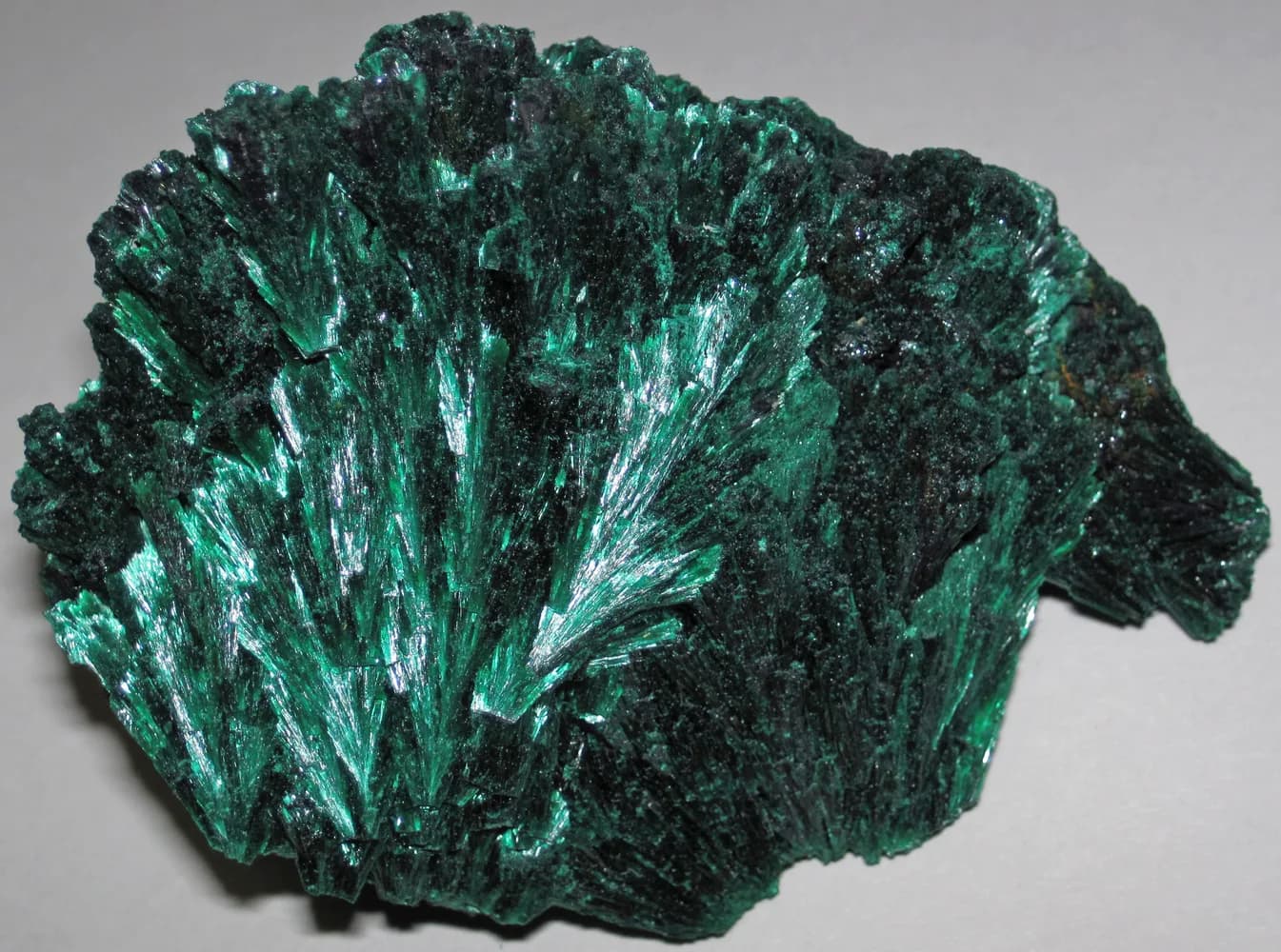
Real hand specimen: radiating malachite from Katanga Province, then Zaire. A display specimen, not typical porphyry ore texture. Photo: James St. John / Wikimedia Commons, CC BY 2.0.
View source ↗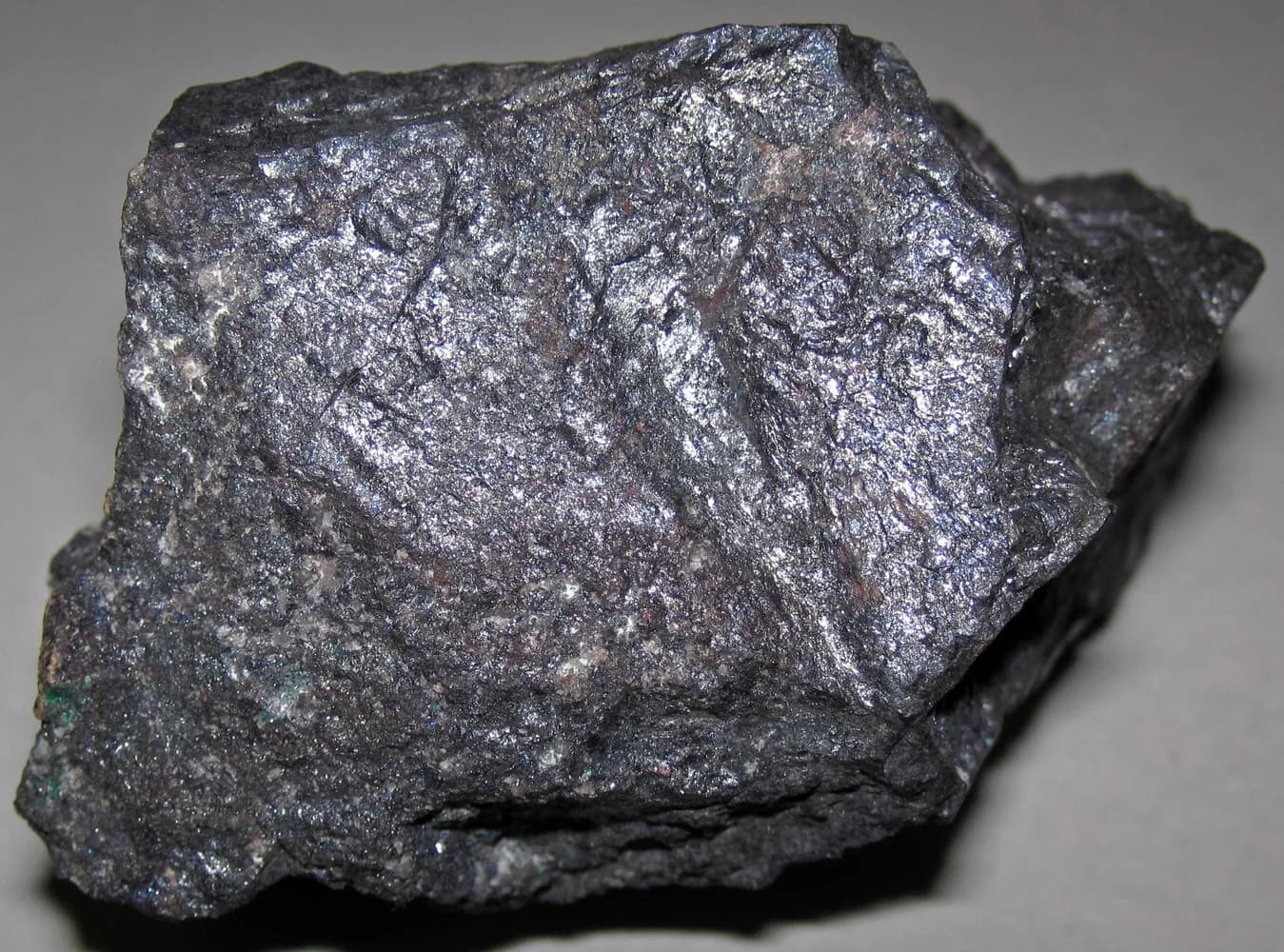
Real hand specimen: chalcocite from the Lavender Open Pit Mine, Bisbee, Arizona. A display specimen, not typical run-of-mine texture. Photo: James St. John / Wikimedia Commons, CC BY 2.0.
View source ↗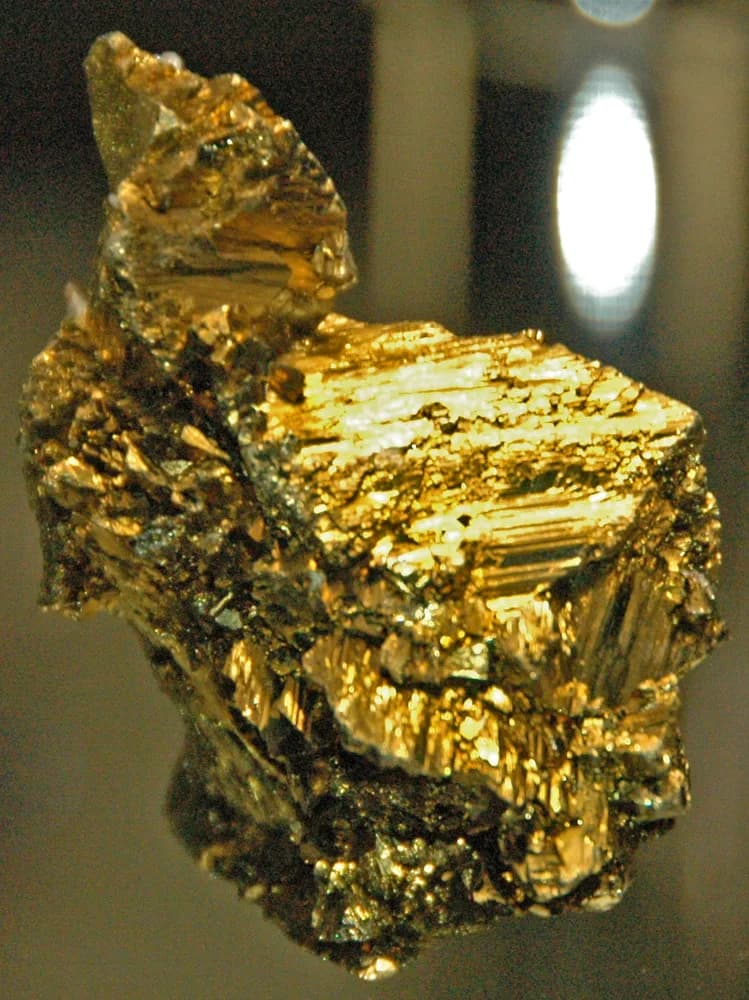
Real hand specimen: chalcopyrite from Kazakhstan. A display specimen, not typical porphyry ore texture or grain size. Photo: James St. John / Wikimedia Commons, CC BY 2.0.
View source ↗These are real display specimens selected so the minerals can be seen. They are not representative of typical run-of-mine porphyry texture, abundance or grain size.
Element29 Resources
Explore the science, the projects and the evidence shaping the next campaign.
Review the geological basis